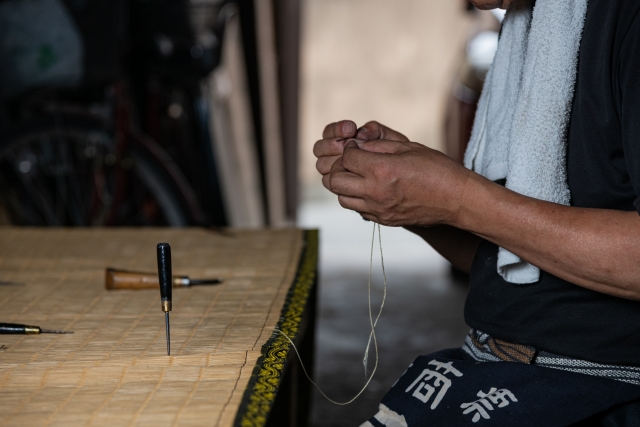
「匠 」(たくみ、Takumi)とは、特定 の技術 や職業 において非常 に高 いスキルと経験 を持 つ人 を指 す言葉 です。その分野 において真 に卓越 した職人 やアーティストを称賛 するために使 われ、その仕事 に対 する尊敬 と誇 りを表現 するのに適 しています。
例 えば、日本 の伝統的 な職人 や工芸家 を表 すときによく使 われます。彼 らは、木工 、陶芸 、刀鍛冶 、庭園 のデザイン、料理 など、さまざまな分野 で匠 の技術 を発揮 します。時間 と労力 をかけて熟練 した技能 を磨 き上 げ、美 しい、高 品質 な製品 や作品 を生 み出 します。「匠 」の概念 は、単 なる技術 の習得 以上 に、情熱 、忍耐 、そして文化的 な価値観 とも関連 しています。匠 の仕事 はしばしば日本 の伝統 文化 や美学 に根 ざしており、その成果物 は高 い評価 を受 けます。
匠 を使 った言葉 に「師匠 」があります。「師匠 」(ししょう、Shisho)は、特定 の分野 や職業 において優 れたスキルや知識 を持 ち、それを他 の人 に伝 え指導 する役割 を果 たす人 を意味 します。師匠 と弟子 (または門下生 )の関係 は武道 、日本 の伝統的 な工芸 品 (例 :刀鍛冶 、着物 の製作 )、芸術 (例 :日本画 、茶道 、華道 )、音楽 、料理 など、さまざまな分野 で見 られます。
師匠 という言葉 は、日本 文化 における師弟 関係 や指導 と学習 の重要性 を強調 し、伝統的 なスキルと知識 の継承 を象徴 します。弟子 は師匠 から学 び、その知識 と技術 を次世代 に受 け継 ぐことで、日本 の伝統 文化 や職人 の技術 が維持 され、発展 してきました。
Takumi
Takumi is a term people use to describe a highly skilled, experienced person in a particular craft or profession. We praise truly exceptional craftsmen and artists in their field with the word, takumi, as it’s an appropriate term to express respect and pride in his or her work.
For example, we use the word, takumi, to describe traditional Japanese craftsmen and artisans. They demonstrate master craftsmanship in a variety of fields, including woodworking, ceramics, sword smithing, garden design, and cooking. They spend their time and effort honing their skills to produce beautiful, high-quality products and works of art. The concept of takumi is about more than just a mastery of craft, we associate it with passion, perseverance, and cultural values. The products created by takumi are highly valued, as their work often reflects traditional Japanese culture and aesthetics.
A word that uses the kanji of takumi is “shisho” (“master” or “master craftsman”). Shisho refers to a person with superior skills or knowledge in a particular field or profession and serves as a teacher and mentor to others. The relationship between a master and an apprentice (or student) can be found in a variety of fields, including martial arts, traditional Japanese crafts (e.g., sword smithing, kimono making), the arts (e.g., Japanese painting, tea ceremony, flower arrangement), music, and cooking.
The term, master, emphasizes the importance of the master-disciple relationship and of teaching and learning in Japanese culture. It symbolizes the transmission of traditional skills and knowledge. The apprentice learns from the master and shares their skills with the next generation to keep traditional Japanese culture and craftsmanship alive and growing.

sign up for the Japanese-Online Newsletter
__..-・**・-..__..-・**・-.._ あいうえお かきくけこ さしすせそ たちつてと なにぬねの はひふへほ まみむめも やいゆえよ らりるれろ わゐうゑを ん __..-・**・-..__..-・**・-.._
#JapaneseOnline #LearningJapanese #FreeJapaneseLessons #JapaneseVideoLearning #JapaneseAnime #Anime #JapaneseFood #Bloguru
Takumi
Takumi is a term people use to describe a highly skilled, experienced person in a particular craft or profession. We praise truly exceptional craftsmen and artists in their field with the word, takumi, as it’s an appropriate term to express respect and pride in his or her work.
For example, we use the word, takumi, to describe traditional Japanese craftsmen and artisans. They demonstrate master craftsmanship in a variety of fields, including woodworking, ceramics, sword smithing, garden design, and cooking. They spend their time and effort honing their skills to produce beautiful, high-quality products and works of art. The concept of takumi is about more than just a mastery of craft, we associate it with passion, perseverance, and cultural values. The products created by takumi are highly valued, as their work often reflects traditional Japanese culture and aesthetics.
A word that uses the kanji of takumi is “shisho” (“master” or “master craftsman”). Shisho refers to a person with superior skills or knowledge in a particular field or profession and serves as a teacher and mentor to others. The relationship between a master and an apprentice (or student) can be found in a variety of fields, including martial arts, traditional Japanese crafts (e.g., sword smithing, kimono making), the arts (e.g., Japanese painting, tea ceremony, flower arrangement), music, and cooking.
The term, master, emphasizes the importance of the master-disciple relationship and of teaching and learning in Japanese culture. It symbolizes the transmission of traditional skills and knowledge. The apprentice learns from the master and shares their skills with the next generation to keep traditional Japanese culture and craftsmanship alive and growing.
sign up for the Japanese-Online Newsletter
__..-・**・-..__..-・**・-.._ あいうえお かきくけこ さしすせそ たちつてと なにぬねの はひふへほ まみむめも やいゆえよ らりるれろ わゐうゑを ん __..-・**・-..__..-・**・-.._
#JapaneseOnline #LearningJapanese #FreeJapaneseLessons #JapaneseVideoLearning #JapaneseAnime #Anime #JapaneseFood #Bloguru