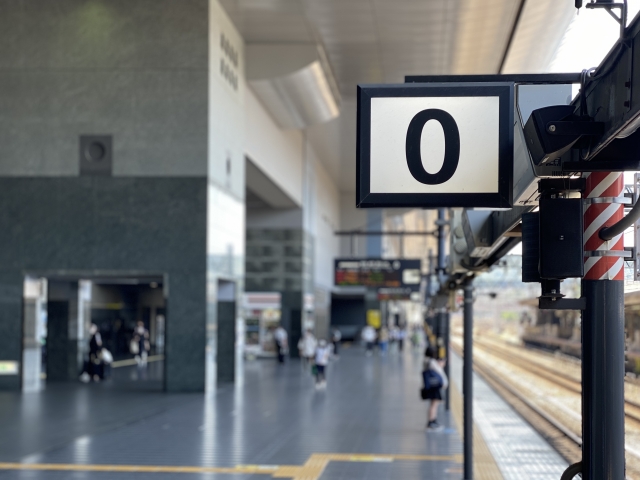
「本日 の降水確率 は0%です」という場合 、0をゼロ(Zero) と読 むかレイ(Rei) と読 むのか、どちらが正 しいでしょうか。
そもそも、ゼロとレイは同 じ意味 なのでしょうか。これは日本人 でも正 しく答 えられる人 は少 ないと思 います。
ゼロと言 った場合 、それは何 もない、皆無 を意味 する数学的 な言 い方 なのですが、レイは全 く何 もないのではなく、限 りなくゼロに近 いことを意味 します。ですから「本日 の降水確率 は0%です」は、ゼロ%ではなくレイ%と言 うようにしているのだそうです。
例 えば、0歳 児 は最初 の誕生日 が来 る前 の子供 を意味 しますので、ゼロ歳 ではなく、レイ歳 児 と言 う方 が正 しいことになります。また、反対 に「本日 の交通 事故 数 は0件 でした。」と言 った場合 は、実際 に事故 がなかったという意味 で、ゼロ件 という言 い方 をします。
これが放送 などで一般的 に使 われるゼロとレイの使 い分 けなのです。特 に厳 しいルールが有 るわけではないですが、豆知識 として知 っていても良 いかもしれません。
The Word “Rei” in Japanese
Do zero and “rei” mean the same thing? I think there are only a few Japanese people who can answer this correctly.
When we say zero, it’s a mathematical way of saying nothing, but “rei” doesn’t mean nothing. Instead, “rei” means close to zero, but not exactly zero. So instead of saying there’s a 0% chance of rain today, we say rei%, not 0%.
For example, we reference a baby’s age by months or weeks in English instead of years before they turn one. In Japanese, we use the term “rei years old” to refer to a child’s age before their first birthday. Conversely, if you said there were zero traffic accidents today, it means there were no actual accidents.
This is the common usage of “zero” and “rei” in weather broadcasts. There aren’t any strict rules, but it may be good to know as trivia.
sign up for the Japanese-Online Newsletter
__..-・**・-..__..-・**・-.._ あいうえお かきくけこ さしすせそ たちつてと なにぬねの はひふへほ まみむめも やいゆえよ らりるれろ わゐうゑを ん __..-・**・-..__..-・**・-.._
#JapaneseOnline #LearningJapanese #FreeJapaneseLessons #JapaneseVideoLearning #JapaneseAnime #Anime #JapaneseFood #Bloguru
そもそも、ゼロとレイは
ゼロと
これが
The Word “Rei” in Japanese
Do zero and “rei” mean the same thing? I think there are only a few Japanese people who can answer this correctly.
When we say zero, it’s a mathematical way of saying nothing, but “rei” doesn’t mean nothing. Instead, “rei” means close to zero, but not exactly zero. So instead of saying there’s a 0% chance of rain today, we say rei%, not 0%.
For example, we reference a baby’s age by months or weeks in English instead of years before they turn one. In Japanese, we use the term “rei years old” to refer to a child’s age before their first birthday. Conversely, if you said there were zero traffic accidents today, it means there were no actual accidents.
This is the common usage of “zero” and “rei” in weather broadcasts. There aren’t any strict rules, but it may be good to know as trivia.
sign up for the Japanese-Online Newsletter
__..-・**・-..__..-・**・-.._ あいうえお かきくけこ さしすせそ たちつてと なにぬねの はひふへほ まみむめも やいゆえよ らりるれろ わゐうゑを ん __..-・**・-..__..-・**・-.._
#JapaneseOnline #LearningJapanese #FreeJapaneseLessons #JapaneseVideoLearning #JapaneseAnime #Anime #JapaneseFood #Bloguru